Picking the right generator for LPG gas isn’t just about power—it’s really about safety and efficiency, whether you’re at home or running a business. Have you noticed how LPG is becoming a go-to alternative to the usual diesel or gasoline options? According to a report from the International Energy Agency, LPG is catching on because it burns cleaner and pumps out fewer greenhouse gases. Actually, some studies suggest that using LPG-powered generators can cut down CO2 emissions by up to 30% compared to traditional fuels. So, if you’re into greener and more sustainable options, LPG might just be the way to go.
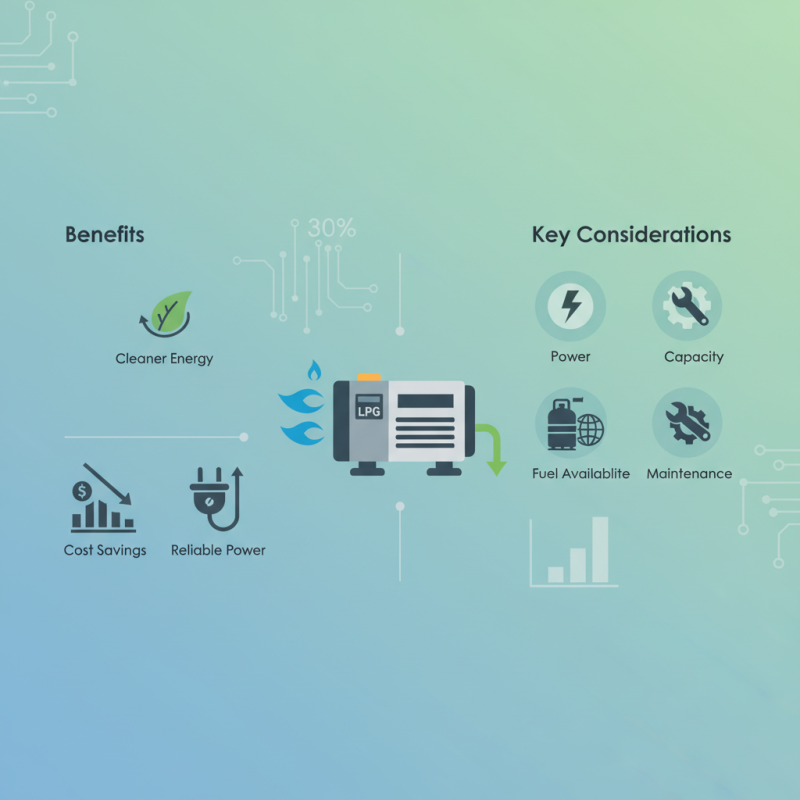
Plus, thanks to tech improvements, today’s LPG generator systems are super reliable and tend to use fuel more efficiently. The U.S. Department of Energy has shown that these generators can hit higher thermal efficiency, which translates into saving some serious money in the long run. When you're choosing an LPG generator, it’s important to think about how much power you really need, if the fuel is easy to get in your area, and what kind of maintenance it might need down the line. Get a good grasp on these points and maybe even listen to some expert advice, and you’ll be all set to pick a generator that not only keeps the lights on but also helps keep our planet a little healthier.
Understanding LPG Gas Generators: Key Features to Consider
When choosing a generator for LPG gas use, there are several key features to consider that can significantly impact performance and usability. First and foremost, evaluate the generator's power output and capacity, as this will determine its ability to meet your electricity needs. Consider the wattage required for the appliances and tools you intend to power. It's essential to choose a generator that provides a sufficient starting and running wattage, especially for devices with higher startup power demands.
Another critical aspect to look for is the generator's fuel efficiency and runtime. LPG generators are known for their ability to produce cleaner energy, and selecting a model with good fuel consumption will ensure you get the most out of your LPG supply. Additionally, investigating the generator's noise levels can help maintain a comfortable environment, especially if the generator will be used for long periods. Opt for models designed with noise reduction technology to minimize disturbances, making them suitable for residential or quiet outdoor settings. Overall, understanding these key features will help you make an informed decision when choosing an LPG gas generator.
Assessing Power Requirements for Your LPG Generator
When selecting a generator for LPG gas use, one of the most critical steps is assessing your power requirements. This process begins by determining the total wattage needed for your appliances and devices. Start by listing all the equipment you plan to run simultaneously, such as refrigerators, lights, and heating systems. Each device typically has a starting wattage and a running wattage, so it’s important to check the specifications to avoid underestimating the total demand.
Once you have tallied the wattage, it’s wise to factor in any additional power needs for future expansions or emergencies. A generator with a rating slightly higher than your calculated total will provide a safety buffer to cope with unexpected surges in demand. Furthermore, consider not just the wattage but also the type of appliances you are using, particularly those with motors or compressors, which often require more power at startup than during regular operation. By carefully evaluating these power requirements, you can select an LPG generator that perfectly aligns with your needs, ensuring reliable and efficient performance.
Power Requirements for LPG Generators
Evaluating Fuel Efficiency and Runtime of LPG Generators
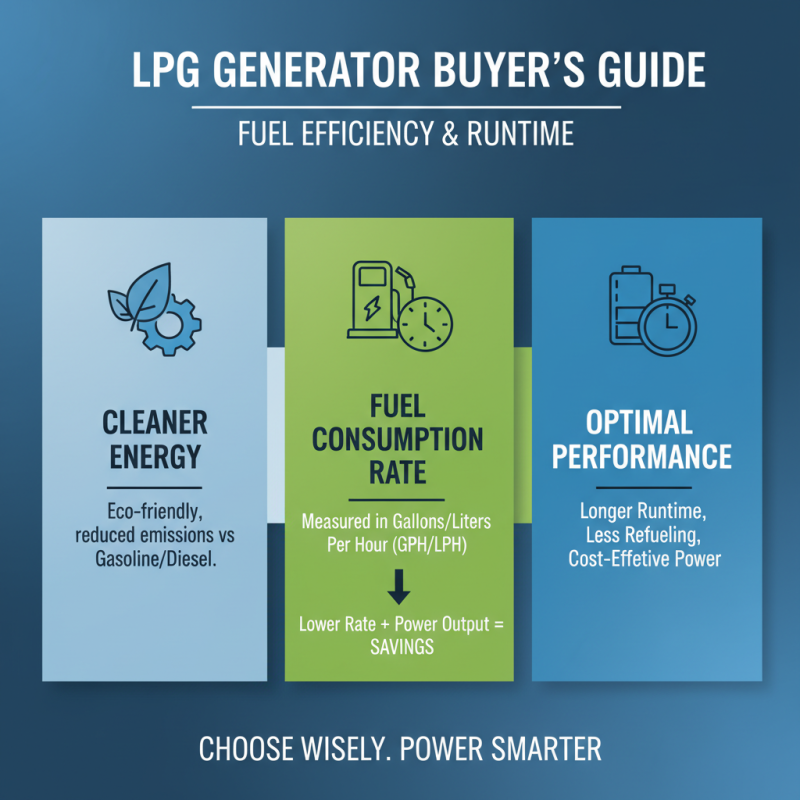
When selecting a generator for LPG gas use, understanding fuel efficiency and runtime is crucial for achieving optimal performance. LPG generators are known for their cleaner emissions compared to gasoline or diesel, making them an eco-friendlier choice. However, not all generators are created equal in terms of fuel consumption. It’s essential to examine the generator’s fuel consumption rate, which is usually measured in gallons per hour or liters per hour. A generator that offers a lower consumption rate while maintaining power output will save you money on fuel and provide longer operational time without frequent refueling.
To enhance your decision-making, consider these tips: First, calculate your anticipated power needs based on the appliances and devices you intend to run. This ensures you choose a generator with adequate wattage without overspending on unnecessary capacity. Second, read reviews and user feedback on fuel efficiency and runtime to aim for models that deliver on their promises. Lastly, check the tank size; a larger tank can often run longer between refills, making it practical during extended power outages or outdoor events.
Selecting the right LPG generator involves balancing power needs with efficiency and longevity. By focusing on fuel efficiency and runtime, you can make a wise choice that benefits both the environment and your wallet in the long run.
Safety Considerations When Using LPG Generators
When using LPG generators, safety should always be the top priority. One of the fundamental considerations is proper ventilation. LPG is heavier than air and can accumulate in low-lying areas if there is insufficient airflow, which may lead to potential hazards such as explosions or poisoning. It is crucial to operate the generator in an open space or within a well-ventilated area to minimize the risks associated with gas buildup. Additionally, regular maintenance of the generator, including checking for leaks, is essential to ensure safe operation.
Another vital safety consideration is the handling and storage of LPG cylinders. Always ensure that cylinders are stored upright and in a cool, dry place, away from direct sunlight and other sources of heat. It’s important to check the integrity of the cylinder and its connections frequently. In the event of a leak, having access to a fire extinguisher and knowing the proper emergency response procedures can be lifesavers. Remember to familiarize yourself with the signs of a leak, such as a strong gas smell and hissing noises, and ensure that everyone knows how to respond quickly and effectively.
Portability and Size: Choosing the Right Generator for Your Needs
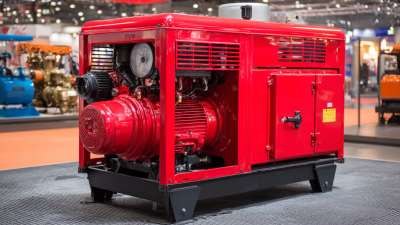
When selecting a generator for LPG gas use, portability and size are critical factors to consider. According to industry reports, portable generators typically weigh between 40 to 200 pounds, with the lighter models being ideal for recreational use and emergency power solutions. For those who require mobility without sacrificing performance, understanding the power-to-weight ratio is essential. A generator that offers a higher watt output for its size is often a more efficient choice, providing sufficient energy without being cumbersome.
Additionally, the physical dimensions of a generator play a significant role in usage convenience. Compact generators, which usually measure less than two cubic feet, are suitable for storage in tight spaces or for transporting to various locations, such as campsites or job sites. According to a 2022 report from the Portable Power Association, approximately 68% of users prefer generators that can easily fit in their vehicles without taking up excessive space. It's advisable to assess your specific needs—whether you need a generator for backup power during outages, outdoor activities, or construction work—to choose a size that ensures both ease of transport and adequate power supply. By prioritizing portability and size, you can enhance the usability of your LPG-powered generator while ensuring that it meets your energy requirements effectively.
Maintenance Tips for Optimal Performance of LPG Generators
To ensure optimal performance of LPG generators, regular maintenance is crucial. This includes routine checks of key components such as filters, spark plugs, and hoses. Regularly replacing the air and fuel filters will keep the generator running smoothly by preventing clogs that can impede airflow and fuel flow. Additionally, inspecting and replacing worn or damaged spark plugs can enhance ignition performance, thereby improving efficiency and reducing fuel consumption.
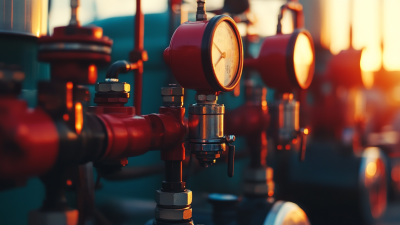
Another vital aspect of maintenance is monitoring the fuel system. Ensure that the LPG tank and lines are free from leaks and are properly secured. Conducting periodic checks on pressure gauges and connections will help identify issues before they escalate. It's also important to keep the generator clean, as dust and debris can affect airflow and cooling, leading to overheating. Lastly, following manufacturer guidelines for service intervals can help maximize the lifespan of your generator, ensuring it operates effectively when needed most.
Cost vs. Quality: Finding the Best Value in LPG Generators
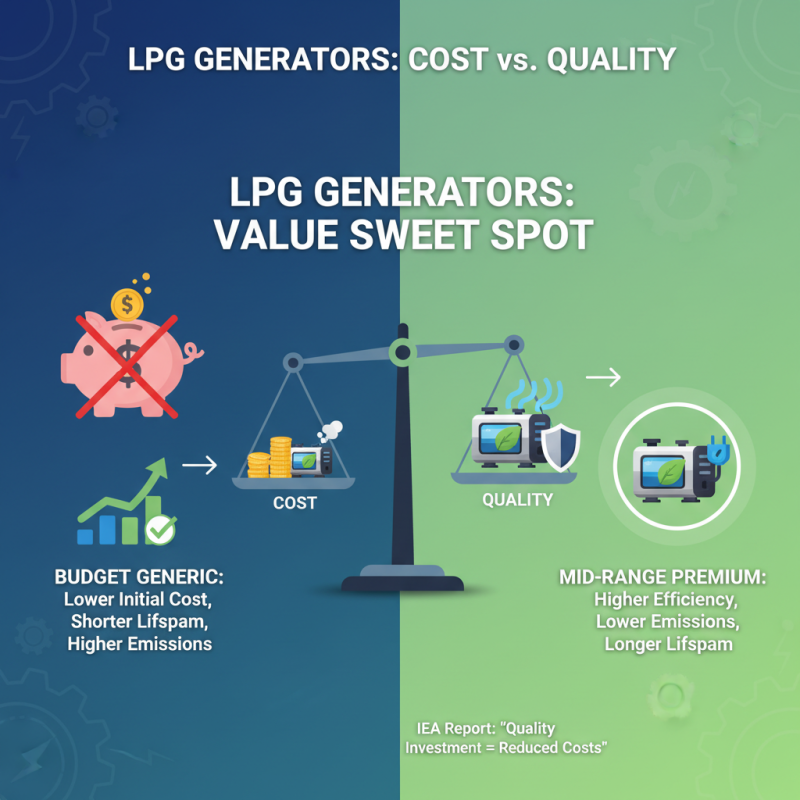
When considering the purchase of an LPG generator, the balance between cost and quality is crucial in ensuring you get the best value. Industry studies indicate that mid-range LPG generators typically offer the most reliability and performance for their price point, often providing higher efficiency and lower emissions than their budget counterparts. A report by the International Energy Agency (IEA) suggests that investing in a quality generator can yield returns in the form of longer lifespan and reduced operational costs, making the initial higher cost worthwhile.
When evaluating options, it's important to look for features that enhance performance while also being mindful of overall expenses. One tip is to check the generator's fuel consumption rate, as higher efficiency can lead to significant cost savings over time. Additionally, consider the generator's noise level and portability; these factors contribute to its usability in various environments, especially in residential or camping scenarios. A well-rated generator may cost more upfront but can potentially save money in maintenance and fuel costs down the line.
Ultimately, thorough research on specifications and user reviews can help you make an informed decision. Analyzing warranty options and customer support availability also plays a vital role, as these factors contribute to the long-term value of your investment. Remember that the right generator should not only meet your immediate power needs but also align with your budget over time.
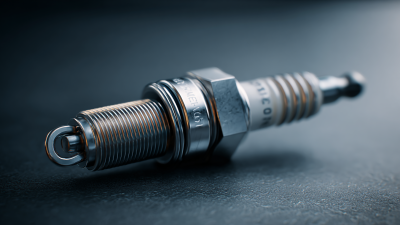
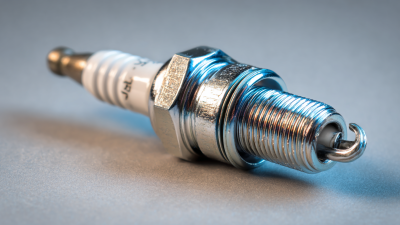
Maximize Engine Performance with the TECHIE Gas Spark Plug: A Superior Replacement for Champion RL15B #535
Harnessing the full potential of your gas engine starts with the right components. The TECHIE Gas Spark Plug stands out as a premier choice for those seeking a reliable and efficient replacement for the Champion RL15B #535. Designed for a variety of gas engines, this spark plug delivers exceptional performance, ensuring that your engine runs smoothly and efficiently. Its high-quality materials and innovative design work in tandem to improve ignition reliability, which is crucial for optimal engine performance.
One of the key advantages of the TECHIE Gas Spark Plug is its ability to enhance fuel combustion, resulting in better fuel efficiency and reduced emissions. Engineered for durability, this spark plug withstands extreme conditions typically associated with engine operation. By investing in a spark plug that ensures reliable ignition under varying conditions, you can experience improved acceleration and a smoother running engine. Whether you are a weekend enthusiast or rely on your gas engine for day-to-day tasks, the TECHIE spark plug is an essential upgrade that simplifies maintenance while elevating performance standards.
FAQS
: You should evaluate the generator’s fuel consumption rate, calculate your power needs based on the devices you plan to use, read reviews about efficiency and runtime, and consider the tank size for longer operational times between refuels.
Regular maintenance is crucial to ensure optimal performance. It includes checking and replacing key components like filters and spark plugs, inspecting the fuel system for leaks, and keeping the generator clean to prevent overheating.
Look for mid-range generators that balance cost and quality. Check user reviews, performance ratings, fuel consumption rates, and warranty options to assess reliability and long-term value.
Factors that affect runtime include the generator’s fuel consumption rate, tank size, and the power requirements of the appliances you are using. A larger tank typically allows for longer runtimes without the need for refueling.
Higher fuel efficiency leads to significant cost savings over time, as it means less fuel expenditure and reduced operational costs, making the initial investment in a quality generator worthwhile.
Important features include fuel consumption rate, noise level, portability, and efficiency. These factors contribute to usability in various environments and can affect overall satisfaction with the generator.
Maintenance should follow the manufacturer's guidelines for service intervals, which typically include regular checks and replacements of essential components like filters and spark plugs to ensure efficiency.
Yes, the noise level can significantly impact usability, especially in residential areas or during outdoor events. Choosing a generator with a lower noise level will be more considerate of neighbors and enhance your experience during use.
Investing in a higher-quality generator can yield benefits such as a longer lifespan, improved performance, enhanced efficiency, and ultimately reduced maintenance and operational costs, providing better value over time.
User feedback provides insights into real-world performance, efficiency, and reliability of the generator, helping you make a more informed decision based on experiences from other users.
Conclusion
When choosing a generator for LPG gas use, it's essential to understand the unique features that distinguish LPG generators from other types. Key considerations include assessing your power requirements to ensure the generator can meet your energy needs efficiently. Evaluating the fuel efficiency and runtime is crucial, as these factors contribute significantly to operational costs and convenience.
Safety is paramount when using generator LPG gas, so it's important to follow recommended safety guidelines. Additionally, the portability and size of the generator should be aligned with your intended use, whether for home backup, outdoor events, or job sites. Regular maintenance ensures optimal performance, while a careful balance between cost and quality will help you find the best value in your LPG generator selection. By considering these factors, you can make an informed decision that suits your specific requirements.